
It's Quite Easy to Be Green

Author: Aysel Toprakli

For me a sustainable life starts with the environment I inhabit. This is my home, my city, and my country. We can extend this to our planet Earth which is home for all humanity, nature, and other creatures.

How can we sustain our environment? It starts with being mindful of using our resources such as water, electricity, transportation, and recycling so that some material can be reutilized and reduces the need to consume natural resources.
In my daily life, I have always been mindful of using resources such as electricity and water. I turn off the lights when they are not required. I filter tap water to reduce the need of buying water in plastic bottles. Sometimes we cannot avoid buying bottled water and other refreshments in bottles or cans. I pay attention to recycle every bit of recyclable material like glass, cans, paper and put them into their respective bins wherever available. Thankfully, I have been living in environments where recycling is widely practised and bins to recycle are available almost everywhere such as in buildings, on the streets, train stations, etc.

I also volunteer for activities to help promote the greening of our environment. Before retirement, I was a volunteer in the UNICEF Green Team. I took part in promoting recycling in the office, promoting replacement of plastic utensils and cups with the paper cups and wooden utensils in the cafeteria and in the meeting rooms. Besides the UNICEF Green Team, I was a volunteer at the UN Food Gardens where growing vegetables, fruits and other pollinator plants was promoted to show how to practice sustainability, especially among the younger generations. As part of this greening activity, composting the stuff pruned from the garden was also utilized. As an outcome of composting, oil is produced which is rich in nutrients and reused in the garden, thus avoiding the use of non-organic nutrients. This method promotes sustaining our biodiversity, which includes plants, trees, insects, bees, birds, and other animals on larger scales.
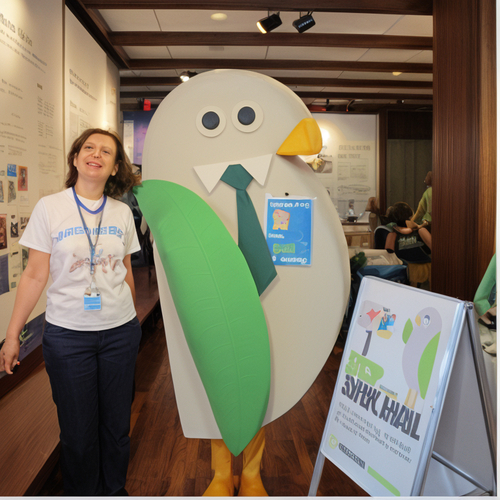
In my personal life, over the years, I started using my own re-usable coffee cup and water bottle and carried them with me wherever possible. At home I never use single use plastics (utensils or plates). When I was taking my lunch to the office, I stopped using plastic utensils when I received my own reusable utensil set at a Green Fair. Unless I am obliged to, I don’t use plastic kitchen utensils. I also started carrying my own reusable shopping bag to avoid using excessive shopping bags thus minimizing the waste.
I also try to use environmentally friendly detergents and soaps for cleaning and laundry as much as possible. Compared to the past, they are now available more widely.

In addition to environmental sustainability, being part of a greening team gave me the happiness of being part of a solution. Planting and growing our own produce was a great learning experience for me. It yields happiness to eat the fruit of a plant grown from a seed that you planted. I now feel more respectful and thankful to the farmers who take care of all those details from planting, to the care of the produce while they are growing, harvesting and then bringing them to the markets so that we can buy and consume for our nutrition.

As the habit of recycling and being mindful in our daily life grows in our community and on a wider scale globally, we can all feel proud that we are contributing to a sustainable environment for generations.


Comments